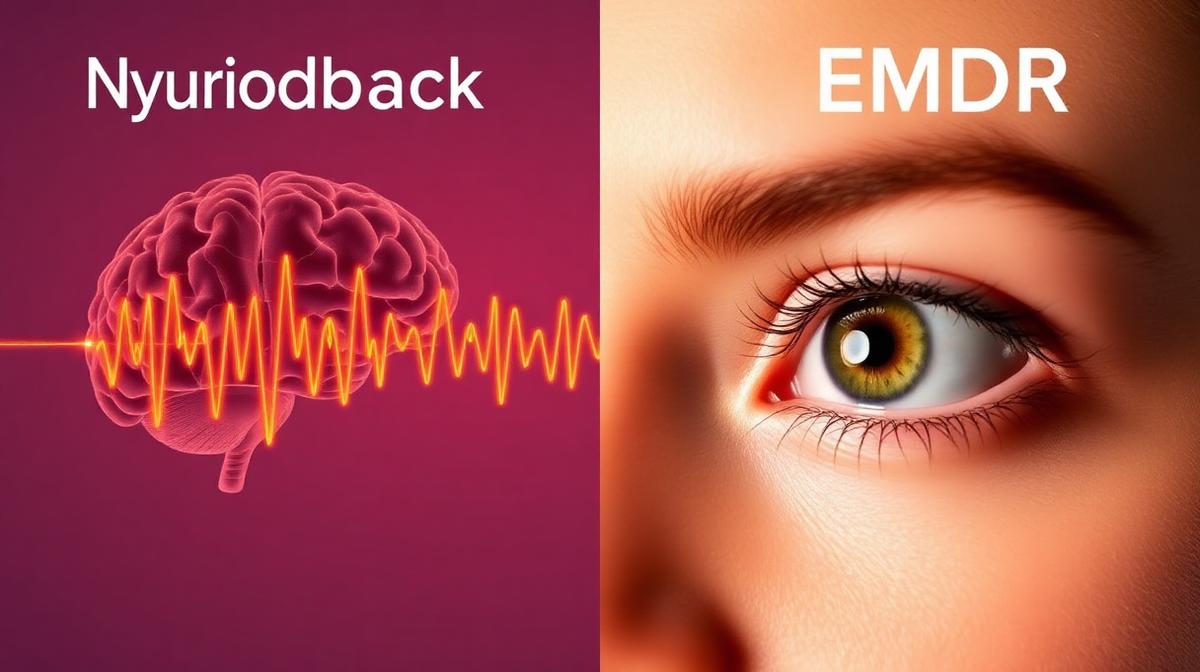
Neurofeedback vs EMDR: Which Is Better for Anxiety & Trauma?
· 6 min read · Anxiety Relief
Comparing neurofeedback and EMDR for anxiety and trauma. Learn the differences, how each works, and which approach might be right for you.
Neurofeedback vs EMDR: Understanding Your Options
If you're researching treatment options for anxiety or trauma, you've likely come across both neurofeedback and EMDR (Eye Movement Desensitization and Reprocessing). Both are evidence-based approaches, but they work very differently. Here's an honest comparison to help you decide.
How EMDR Works
EMDR uses bilateral stimulation (typically eye movements) while you recall distressing memories. The goal is to help your brain reprocess traumatic memories so they no longer trigger intense emotional responses.
Key characteristics of EMDR:
- Requires actively recalling and processing traumatic memories
- Typically performed by a licensed therapist
- Sessions are 60-90 minutes
- Often requires 6-12 sessions
- Well-researched for PTSD specifically
How Neurofeedback Works
Micro-Current Neurofeedback sends gentle signals to help your nervous system recalibrate. It works directly with your brain's electrical patterns without requiring you to recall or discuss traumatic experiences.
Key characteristics of neurofeedback:
- Does NOT require reliving traumatic memories
- Completely passive—you simply relax
- Sessions are about 30 minutes
- FDA-registered technology with zero reported side effects
- May help with anxiety, sleep, focus, and mood in addition to trauma
Key Differences
The biggest difference: EMDR requires you to actively engage with traumatic memories. Neurofeedback does not. For some clients—especially those who find it difficult or retraumatizing to discuss their experiences—neurofeedback offers a gentler path.
Scope of benefits: While EMDR is primarily used for trauma and PTSD, neurofeedback may help with a broader range of conditions including anxiety, sleep, focus, and stress.
Session experience: EMDR sessions can be emotionally intense. Neurofeedback sessions are typically described as relaxing.
Can You Do Both?
Absolutely. Many practitioners recommend combining neurofeedback with EMDR or other therapies. Neurofeedback can help calm the nervous system, potentially making EMDR sessions more tolerable and effective.
Which Should You Choose?
Consider neurofeedback if you:
- Prefer not to relive traumatic experiences during treatment
- Want a drug-free, non-invasive approach
- Have multiple symptoms (anxiety + sleep + focus)
- Want shorter, more relaxing sessions
Consider EMDR if you:
- Have specific traumatic memories you want to process
- Are comfortable working through difficult emotions in therapy
- Want an approach specifically designed for trauma processing
The best approach is the one that feels right for you. We offer free consultations where you can discuss your specific situation and learn whether neurofeedback could help.